Micron Briefly Crosses the $1 Trillion Valuation Mark
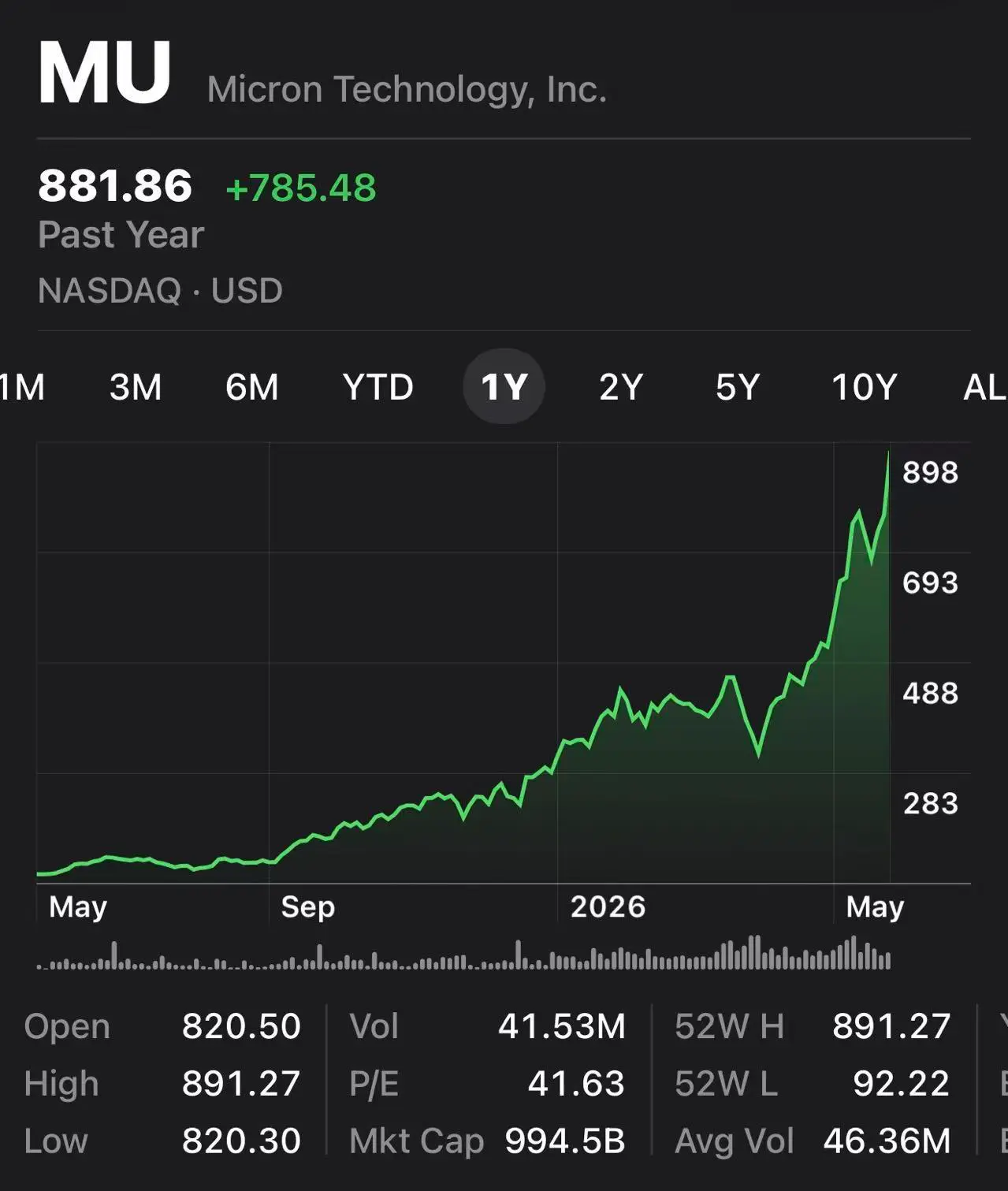
Today was a major moment for the memory industry as Micron Technology (NASDAQ: MU) briefly traded above a $1 trillion market capitalization during intraday trading.
The move reflects how dramatically the perception of memory companies has changed over the last couple years. Historically, NAND and DRAM manufacturers were viewed as cyclical commodity suppliers. Today, investors are increasingly treating memory as critical AI infrastructure.
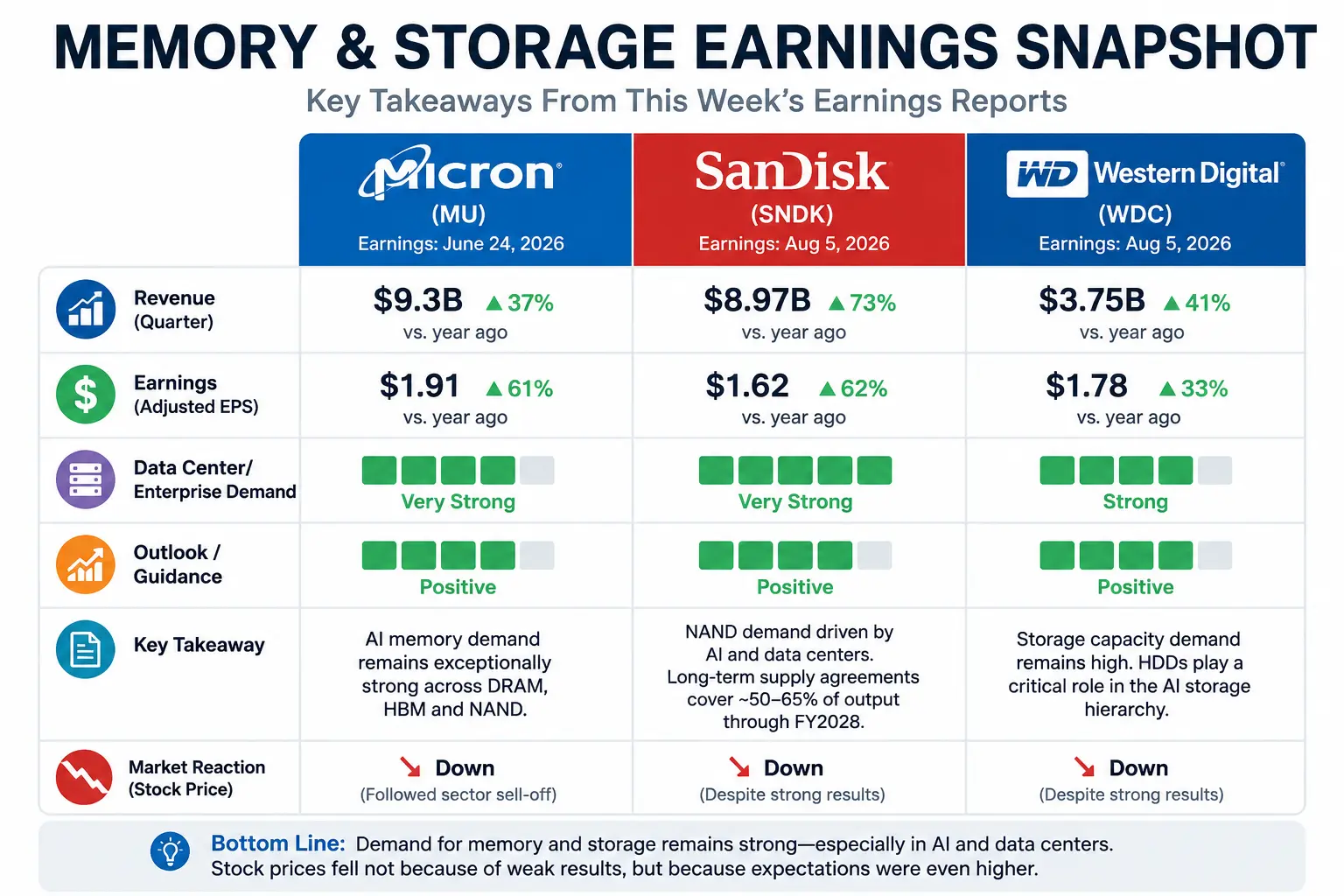
Much of the momentum behind Micron comes from explosive demand for HBM (High Bandwidth Memory), which has become one of the key bottlenecks in AI server design. Reports indicate Micron’s HBM production for 2026 is already sold out as hyperscale AI deployments continue ramping worldwide.
The shift is important because memory bandwidth is now nearly as strategic as the GPU itself. AI workloads are no longer limited only by compute power. Moving data quickly between processors and memory has become equally important.
Analysts also pushed Micron higher after increased price targets and stronger outlooks tied to AI infrastructure spending. While the company did not officially close above the trillion-dollar threshold, simply reaching that level during trading represents a symbolic shift for the broader memory industry.
For anyone who has followed NAND, DRAM, SSDs, and flash memory over the past two decades, today’s trading activity feels like another sign the market no longer views memory as a background component. Memory has become part of the AI story itself.
Related Reading
- Micron On A Stock Price Run – AI To Thank?
- Memory Stocks Are Rallying, But The Market Is Pricing A Longer Shift
Editorial Note: This article was created using publicly available financial reporting and long-term industry observation from the flash memory and storage market. AI tools assisted with organization and wording, while final editorial direction and analysis were reviewed by a human editor familiar with the memory industry since the early days of NAND adoption.