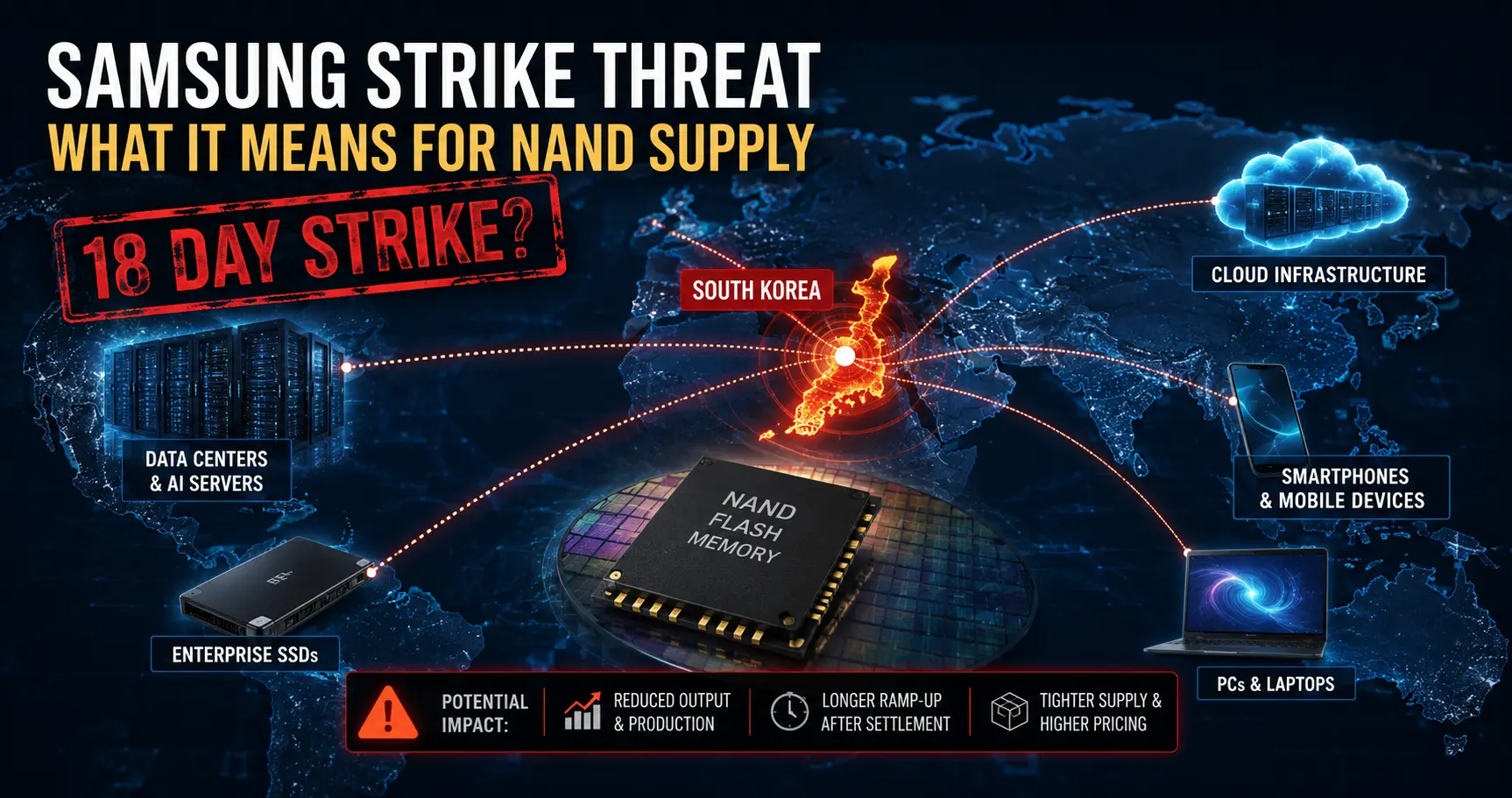
When Micron Technology and SanDisk post gains of this magnitude — 500%+ and 3,000%+ respectively — the first instinct is to call it a cycle.
That’s been the right instinct for years.
Memory has always moved in waves. Supply comes online, pricing collapses, demand absorbs it, then the process resets.
But what’s happening now doesn’t fit that pattern as cleanly as before.
The market isn’t just reacting to strong demand. It’s starting to price in durability.
Analysts Are Stretching the Timeline
The most important signal isn’t the price targets being raised. It’s how far out the conversation is moving.
When analysts begin talking about demand staying strong “through the end of the decade,” that’s not a short-term call. That’s a structural one.
You typically only see that kind of language when three things line up at the same time:
- Demand is visible and sustained
- Supply can’t respond quickly
- Buyer behavior starts to change
All three are in play right now.
Buyer Behavior Is Quietly Shifting
The clearest signal isn’t coming from stock charts. It’s coming from contracts.
Large buyers — especially hyperscalers — are locking in memory supply years in advance. In some cases, three to five years out.
That’s a different mindset.
Historically, memory buyers stayed flexible. They played pricing cycles. They avoided long-term commitments whenever possible.
That strategy works when supply is predictable.
It doesn’t work when supply becomes the risk.
Companies like Broadcom securing memory through 2028 isn’t about cost optimization. It’s about access.
And once access becomes the priority, the market starts to behave differently.
Supply Still Moves on a Multi-Year Clock
On the supply side, nothing has sped up.
Building new memory capacity still takes years. Not quarters.
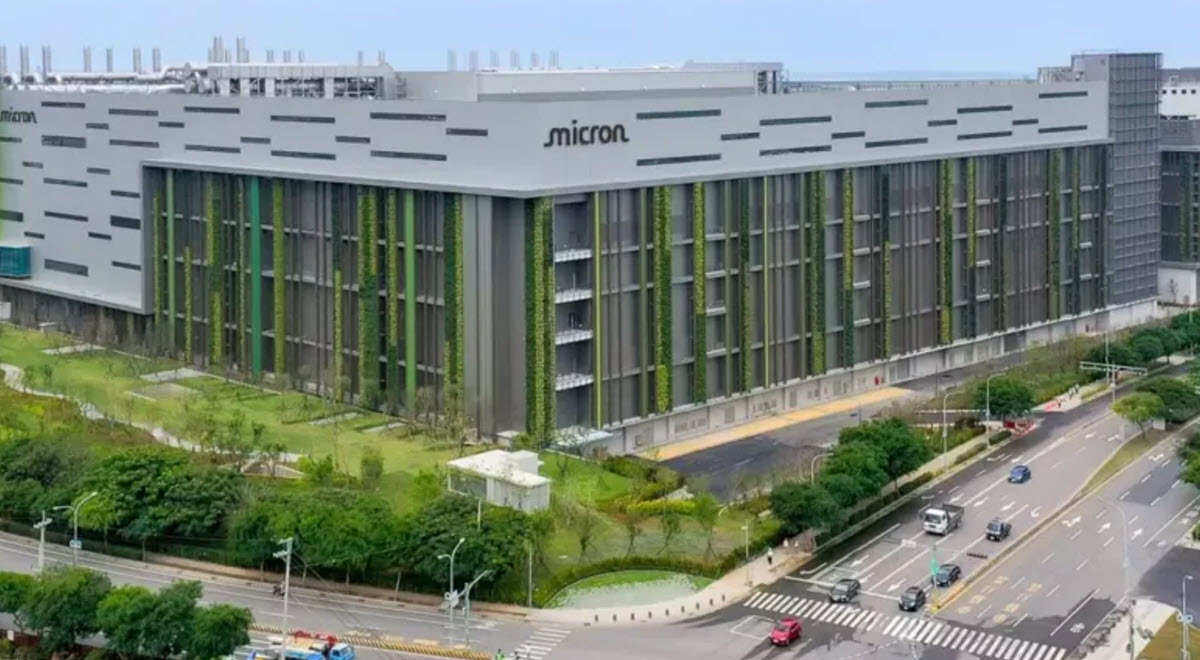
Micron Technology is investing tens of billions across multiple regions. SK Hynix and Samsung Electronics are expanding as well.
But those fabs don’t come online immediately. They arrive years after the decision is made.
That delay matters.
Because demand — largely driven by AI infrastructure — is accelerating now, not later.
Pricing Power Is Starting to Look Different
One of the more interesting shifts is how analysts are talking about margins.
“Durability” isn’t a word typically associated with memory pricing.
But if demand holds, supply stays tight, and buyers commit long-term, pricing stops behaving like a short spike.
It starts to look more stable.
That’s what the market is trying to reconcile.
The Effects Are Already Showing Up Downstream
You don’t need to follow equity research to see the impact. It’s showing up in everyday pricing.
- PC prices are expected to rise meaningfully
- Solid-state drives now cost two to three times what they did just months ago
- Electronics pricing is adjusting across the board
Those changes don’t happen in isolation. They reflect upstream constraints working their way through the system, something we’ve already seen building in this earlier analysis on AI-driven memory pricing pressure.
There Are Still Risks — And the Market Knows It
This doesn’t mean memory has suddenly become stable or predictable.
There are still real risks in the system:
- AI spending could slow
- New capacity could arrive faster than expected
- Long-term contracts could overshoot actual demand
Memory doesn’t stop being cyclical overnight.
But the shape of those cycles may be changing.
From the Market Desk
The tone shift is the part worth paying attention to.
Analysts aren’t just reacting to quarterly results. They’re starting to frame memory as a strategic layer tied directly to AI infrastructure.
That moves the sector into a different category.
And markets tend to reprice categories when that shift becomes clear.
Final Take
The takeaway isn’t that memory is “hot.”
It’s that the market is beginning to treat memory less like a commodity and more like a constrained resource with long-term importance.
That doesn’t remove cycles. But it does change how those cycles behave — and how investors respond to them.
If the current trajectory holds, the next few years won’t look like the last two decades of memory markets.
And that’s what this rally is really trying to price in.
Editorial Note: This article was developed from publicly available reporting, including coverage by CNBC and analysis from Melius Research and Bernstein. The interpretation and conclusions presented here are based on independent editorial review.
Content structure and phrasing were refined with AI-assisted tools for clarity and readability, while maintaining the original analysis and perspective. No compensation or influence from the companies mentioned was involved in the creation of this article.