CAMM2 is what happens when laptop memory stops swiping and starts tapping
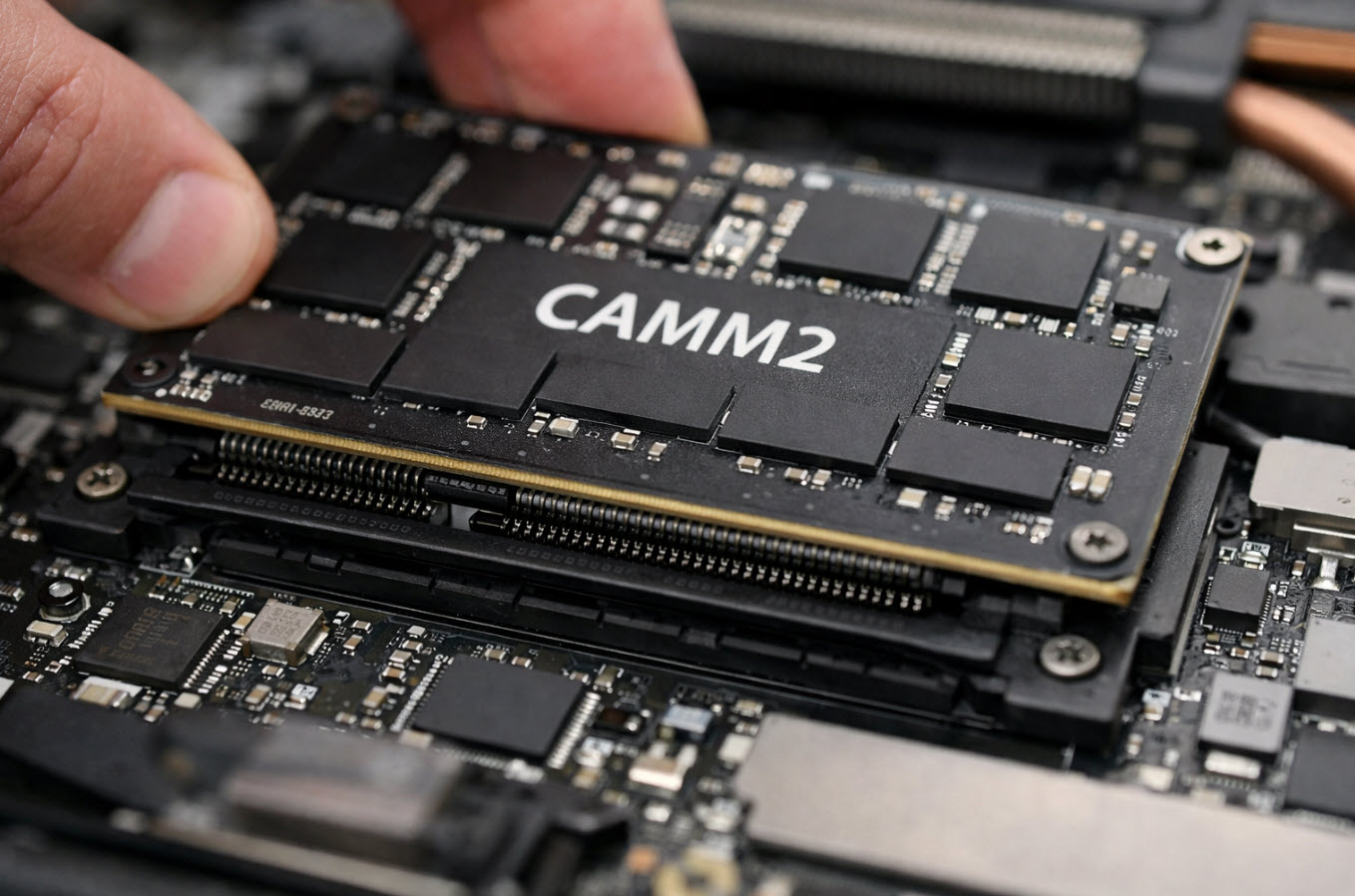
CAMM2 stands for Compression Attached Memory Module 2, and even the name tells you what makes it different. This is not the usual stick of laptop RAM sliding into a socket at an angle. CAMM2 is a flatter memory module that sits against the motherboard and is pressed into place through a compression-style connection. It sounds like a small mechanical change, but it has bigger technical consequences than most people realize.
The fun way to think about CAMM2 is through the old credit card payment process. Traditional laptop memory, especially SO-DIMM, is like swiping a card. You make contact, it works, and for years that was good enough. But a swipe depends on a longer interaction path, older physical assumptions, and a design that starts to feel clumsy as speeds go up and form factors get thinner.
CAMM2 is more like tap-to-pay. The connection is flatter, cleaner, and more direct. You are not dragging the module through a longer slot path and hoping everything behaves nicely at higher frequencies. Instead, the memory makes broad, even contact with the board through compression. In engineering terms, that means shorter trace paths, cleaner signaling, better integrity at high speed, and a layout that works much better inside thin laptops.
That is the key point – CAMM2 is not exciting because it invents a new type of memory all by itself. It is exciting because it gives modern memory a better way to connect. When the electrical path is cleaner, the system can run faster, use less power, and avoid some of the routing penalties that older SO-DIMM designs bring along. The memory chips still matter, of course, but the interface suddenly stops being such a stubborn bottleneck.
This is also where the low-power version enters the conversation. LPCAMM2 is built around LPDDR memory, the same family known for efficiency and strong bandwidth in portable devices. Historically, if a laptop maker wanted those low-power benefits, the common tradeoff was soldered memory. That gave you efficiency, but no upgrade path. With LPCAMM2, the industry gets much closer to having both – low-power memory behavior with a modular design that can actually be serviced or upgraded.
Put simply, old laptop memory said: pick two – speed, thinness, or upgradeability. CAMM2 changes that conversation. It is still technical, still very much an interface story, but it fixes one of the most frustrating compromises in modern laptops. Nobody likes opening a machine and realizing the memory was permanently decided on the day it left the factory.
That is why CAMM2 matters. Not because it is flashy, but because it is practical. It takes the swipe-era thinking of laptop memory and replaces it with something closer to a tap – faster, neater, and built for where portable computing is already heading. If you want a broader look at how memory architecture is being pushed in modern systems, see our post on why the memory hierarchy is being stretched.