Q1 2026 is shaping up to be a turning point for NAND memory pricing, driven by tight supply, disciplined production, and sustained demand from AI and enterprise storage.
As Q1 2026 unfolds, the NAND flash memory market is no longer quietly recovering — it is actively tightening. After more than a year of inventory corrections and cautious spending, memory suppliers have regained pricing power, and that shift is already being felt across the supply chain. For buyers of flash-based products — from SSDs to USB drives and embedded storage — the signals are clear: NAND prices are moving up, availability is becoming less flexible, and suppliers are prioritizing margin over volume.
At the center of this shift is Micron, alongside other major NAND producers such as Samsung and SK hynix. Together, these companies have reset the balance between supply and demand. Instead of racing to add capacity, they are carefully controlling output, directing wafers toward higher-margin products, and making long-term investments that will not materially increase supply until late in the decade. The result is a market environment where price stability is giving way to upward pressure — especially in early 2026.
The NAND market entering Q1 2026
NAND pricing entering Q1 2026 reflects a combination of constrained supply and stronger-than-expected demand. On the supply side, manufacturers spent much of 2024 and early 2025 cutting production, delaying equipment purchases, and optimizing existing fabs rather than expanding them. Those decisions helped clear excess inventory, but they also reduced the buffer that traditionally cushions short-term demand spikes.
On the demand side, AI infrastructure continues to absorb large volumes of memory. While AI workloads are often associated with DRAM, they also require massive amounts of NAND for training data, logs, checkpoints, and fast-access storage tiers. Enterprise SSD demand has remained strong, and that demand pulls NAND wafers away from lower-margin consumer and removable storage products.
Industry analysts broadly expect contract NAND prices to rise through Q1 2026, with double-digit quarter-over-quarter increases being discussed in multiple segments. Some reports even suggest that certain NAND categories could see much sharper hikes over the course of the year, depending on form factor and density.
Micron’s position and strategy
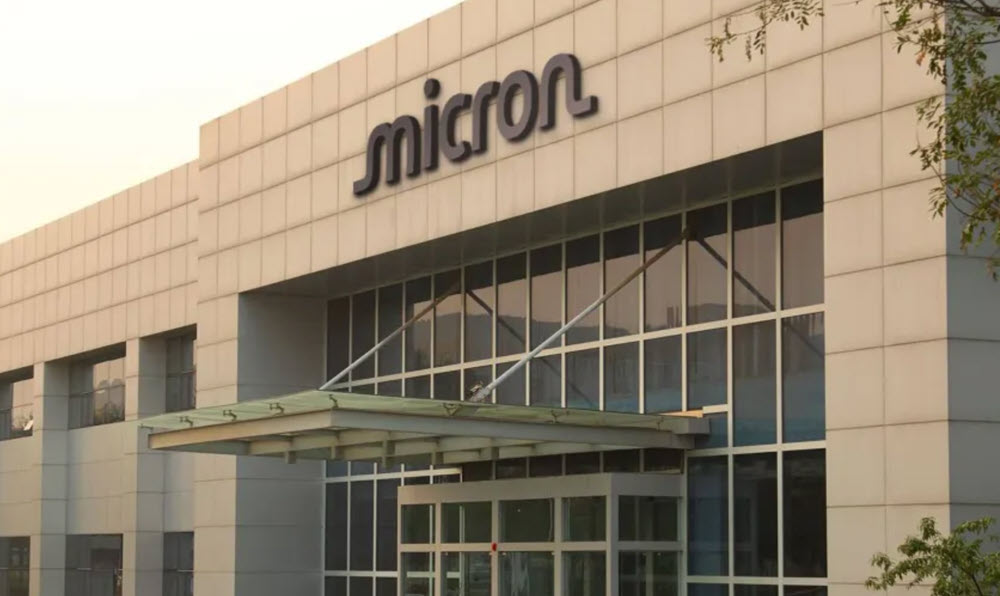
Micron enters Q1 2026 from a position of strength. Recent financial results showed improved margins and strong pricing leverage, reflecting both healthier market conditions and deliberate strategic choices. Rather than chasing volume, Micron has focused on optimizing its product mix — allocating capacity toward enterprise SSDs, high-density NAND, and strategic customers.
One of the most significant developments reinforcing this outlook is Micron’s announcement of a major new NAND fabrication investment in Singapore. The planned multi-billion-dollar expansion will eventually more than double local NAND output, but there is an important catch: production from this facility is not expected until the second half of 2028. That timeline matters. It confirms that Micron does not expect near-term oversupply and is planning for sustained demand well beyond 2026.
For Q1 buyers, this means current pricing dynamics are unlikely to soften due to new capacity. Even incremental increases in demand can have an outsized impact when supply is deliberately constrained.
Price trends and what is actually increasing
Not all NAND is rising at the same rate, but the direction is consistent. Enterprise-grade NAND, particularly higher-density TLC and QLC used in data center SSDs, is leading the price increases. These products command higher margins and are where suppliers are concentrating their best yields.
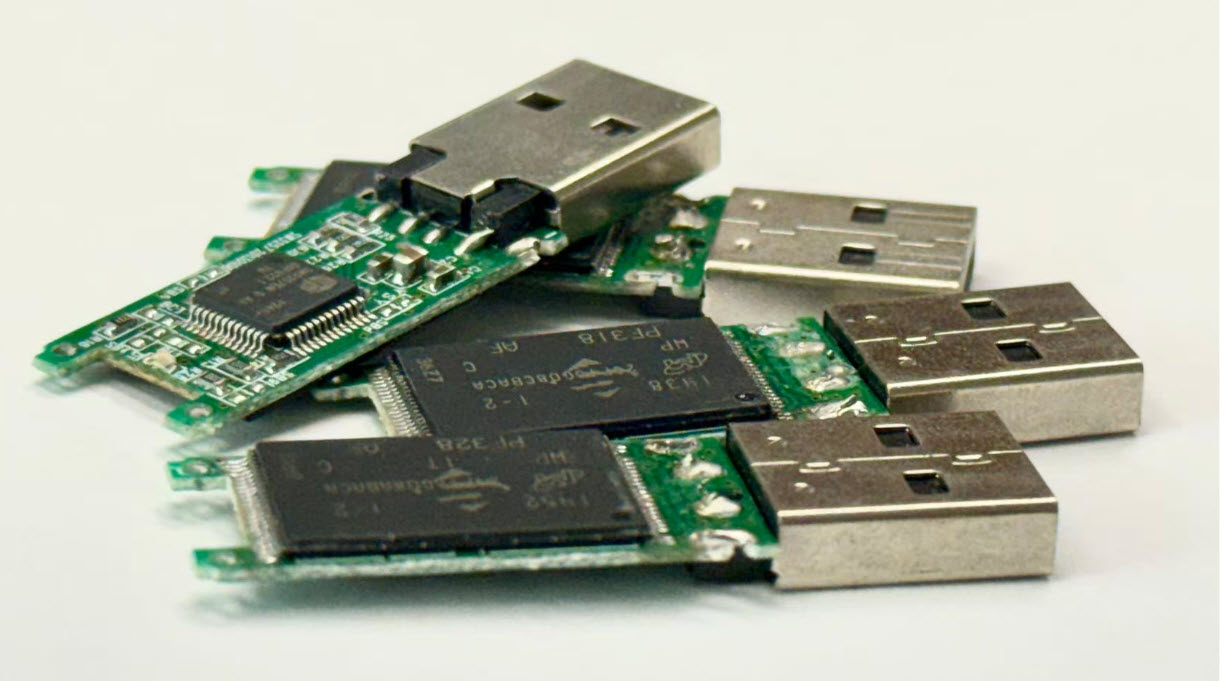
Consumer-facing NAND — including flash used in USB drives, memory cards, and lower-cost SSDs — is more price sensitive, but it is not insulated. When enterprise demand pulls wafers upstream, downstream products feel the effect through higher component costs, longer lead times, or reduced availability of certain capacities.
For Q1 2026, buyers should expect:
- Rising contract prices for NAND components compared to late 2025
- Less flexibility on spot pricing, especially for higher-capacity parts
- Increased emphasis on forecast commitments from suppliers
- Potential allocation pressure during peak ordering windows
Why suppliers are holding the line
The current pricing environment is not accidental. Memory suppliers have learned hard lessons from previous boom-and-bust cycles, where aggressive expansion led to prolonged price collapses. This time, discipline is the strategy.
By limiting capacity growth and focusing on profitability, NAND manufacturers are signaling that they are comfortable walking away from low-margin business. That posture changes the negotiation dynamic for buyers who are accustomed to using volume as leverage.
It also means that even modest external shocks — geopolitical issues, logistics disruptions, or unexpected demand surges — could amplify price volatility in the near term. With inventories lean, there is less room for error.
Implications for product makers and buyers
For companies building products around NAND — including storage devices, embedded systems, and removable media — Q1 2026 is a planning quarter. Cost models built on late-2025 pricing assumptions may no longer hold. Buyers should revisit forecasts, lock in supply where possible, and be cautious about last-minute capacity changes.
This is especially relevant for products with fixed pricing commitments or long sales cycles. When NAND costs rise, margins compress quickly if adjustments are not planned in advance.
At the same time, higher NAND prices can favor suppliers that emphasize quality, consistency, and controlled manufacturing. As prices rise across the board, differentiation shifts away from raw cost and toward reliability, traceability, and predictable behavior — particularly in professional and regulated environments.
Looking beyond Q1
While this update focuses on Q1 2026, the broader trajectory matters. With major capacity additions delayed until 2028 and beyond, most analysts expect NAND pricing to remain firm throughout 2026. Short-term corrections may occur, but the era of ultra-cheap flash appears to be behind us — at least for now.
Micron’s long-term investments reinforce that outlook. The company is preparing for sustained demand growth, not a short-lived spike. That perspective aligns with broader trends in AI, edge computing, and data-driven infrastructure.
For buyers, the takeaway is straightforward: plan early, assume upward pressure, and avoid relying on spot-market relief. Q1 2026 is not a panic moment, but it is a clear signal that the NAND market has entered a new phase.
Further reading
For additional context and source material, see: