
Micron’s $1.8B Taiwan Fab Bet: A Fast Move to Keep Up With the AI Memory Boom
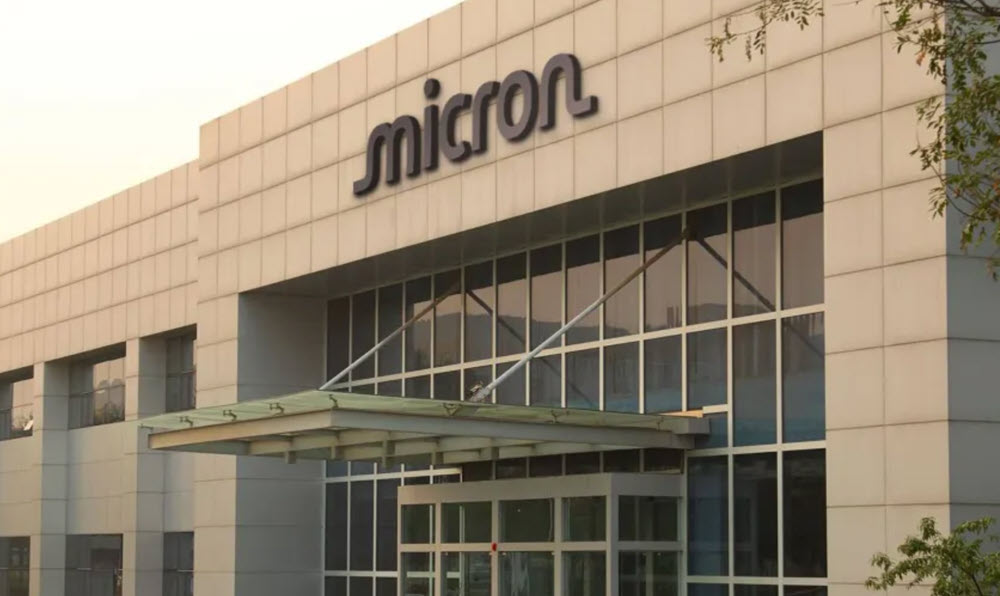
Micron’s $1.8 billion Taiwan fab purchase is less about drama and more about locking in memory capacity now, while AI demand is still outrunning supply.
Micron’s decision to spend $1.8 billion on a major Taiwan chip plant hit a market that’s already running hot from AI excitement and lingering supply worries. The headline sounds bold, but the core idea is simple: memory demand (especially DRAM tied to AI and data centers) is rising faster than new capacity can come online. Micron is making a calculated bet that the AI cycle has enough runway to justify paying up for capacity today, even if the move makes investors uneasy in the short term.
The $1.8B move that reshapes Micron’s capacity plan
The deal centers on Micron acquiring Powerchip’s P5 manufacturing site in Taiwan for $1.8 billion. Micron says this helps expand its manufacturing footprint in Taiwan and materially increases DRAM output by 2027. Local market reaction makes sense: if you’re Powerchip, you’re handing over a meaningful asset; if you’re Micron, you’re buying a ready-made path to more output without waiting years for a new facility to be built from scratch.
Think of it this way: Micron isn’t only buying a building. It’s buying time. When demand is running ahead of supply, time is the scarce resource. If competitors can ship more high-end memory sooner, they can win sockets, lock in customer relationships, and benefit from strong pricing. Micron’s view (based on its own comments) is that shortages tied to AI workloads are unusually intense, so securing capacity now reduces the risk of being capacity-constrained later.
Cleanrooms, concrete, and the bigger buildout picture
The Taiwan purchase is not happening in isolation. Micron is in the middle of a broader expansion push, and the Taiwan site is one part of that. Micron has described the P5 acquisition as adding roughly 300,000 square feet of cleanroom space—important because cleanroom space is a real-world limiter on how many wafers you can run and, ultimately, how many chips you can produce when demand spikes.
At the same time, Micron is investing heavily in the United States, including a large project in Central New York that has already broken ground. Put together, the strategy looks like a two-track plan: keep deep capability and supplier relationships in Asia while also building major capacity in the U.S. That approach can be read as a hedge—balancing geopolitics and supply-chain resilience—while still chasing the fastest practical route to more output.
Why buy an existing fab instead of waiting?
The pressure behind all of this is straightforward: there aren’t enough high-end memory chips to satisfy the surge in AI and data center demand, and Micron has signaled it expects that imbalance to persist beyond 2026. If you accept that premise, then waiting for greenfield projects alone is risky—new campuses take time, and time doesn’t help when customers need capacity now.
That’s why some investors frame the Powerchip site as a “bridge” purchase: a faster way to add meaningful capacity while larger long-term projects ramp. The $1.8 billion price tag is also being compared against the much larger spending commitments associated with Micron’s U.S. expansion. The argument from this viewpoint is practical: buying a nearly ready facility can be a cost-effective way to relieve a near-term wafer bottleneck, capture strong pricing while shortages persist, and defend market share against key rivals in AI memory.
Bottom line: customers want bits now, not years from now. This deal is Micron trying to cover the gap between today’s shortage and tomorrow’s capacity.
Stock market context: big gains, bigger sensitivity
The market reaction also makes more sense when you zoom out and look at the stock. Micron shares have had an explosive run over the past year (the figure cited is 239.1%). When a stock climbs that hard, the bar for “good news” gets higher and the punishment for “anything uncertain” gets harsher. A large acquisition—especially in a geopolitically sensitive region—can become a lightning rod because investors start asking: are we buying smart capacity, or are we buying at the top?
That tension shows up in short interest, which has risen meaningfully. Some bearish traders appear to be using the Taiwan fab purchase as a narrative hook: the stock has run fast, expectations are high, and any execution risk could matter more than usual.
Risk isn’t one-sided: insiders and analysts see upside too
What keeps this from being a one-direction story is that not everyone close to the company is acting nervous. Recent filings cited in the material point to notable insider buying—one Micron director purchase is listed at $3,911,752. Insider buying is never a guarantee, but it’s a real signal that at least some insiders view the risk/reward as attractive at current levels.
On the analyst side, there are also supportive voices, including mention of a Citi rating boost. The fundamental thesis from the bullish camp is consistent: if AI-driven memory demand stays strong and supply remains tight, owning more capacity (especially capacity that can come online sooner) can be worth the upfront cost—because pricing power and volume can do a lot of work when the market is short on supply.
What this means for investors
If you strip away the market noise, Micron is making a fairly direct statement: it believes the AI memory cycle is not a quick spike, and it’s willing to pay for capacity ahead of the curve. The deal may cause short-term discomfort—especially after such a strong run in the stock—but it also aligns with a practical operational reality: in tight markets, the companies that can actually ship tend to win.
The real test won’t be the headline price. It will be execution—how efficiently Micron can ramp the site, integrate it into its broader manufacturing strategy, and translate added cleanroom capacity into real output in time to meet the demand wave it’s betting on.