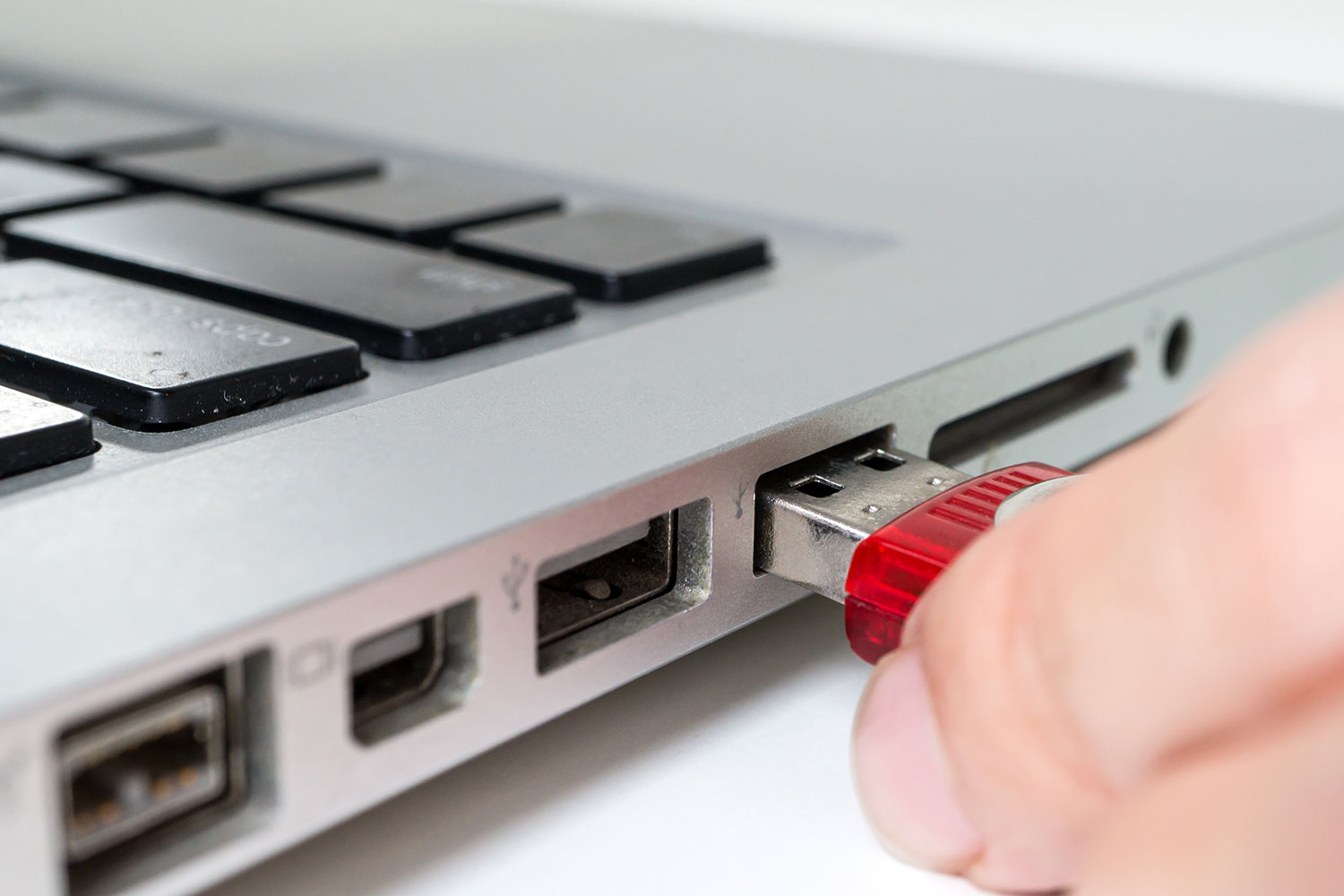
Microsoft is creating a new connection system for its tablet and laptop devices and, according to a recently revealed patent filing, the working version of its Surface connector may resemble the magnetic snap-style chargers once popular on Apple laptops while still maintaining USB-C compatibility.

The patent, filed by Microsoft’s Surface Design team, describes a solution that keeps a magnetic connector for power delivery while maintaining a USB-C style port on the device itself. The filing also notes the connector would support USB 2.0 speeds for the magnetic interface portion of the design.
Most USB-C implementations currently on the market already support USB 3.0 or even USB 3.1 transfer speeds, so some users may see the USB 2.0 limitation as a step backward. Microsoft has clarified the actual device ports would still support USB 3.0 functionality even if the detachable magnetic connection layer does not.
Either way, many Surface users continue hoping Microsoft eventually combines full Thunderbolt support with USB-C in future hardware revisions. The flexibility of USB-C has become increasingly important as consumers expect one port to handle charging, displays, storage devices, docking stations, and high-speed data transfers all at once.
Surface Chief Panos Panay previously explained that Microsoft is taking a cautious approach with USB-C integration. According to Panay, “The last thing I want is to take away the port they need today and tomorrow and the next day, to achieve a technology milestone where I then put a barrier in front of my customers.”
That statement reflects a larger challenge facing hardware manufacturers today. Users want modern standards and faster performance, but they also expect backward compatibility with existing accessories and workflows. Apple faced similar criticism years ago when transitioning away from older connector standards.
One interesting aspect of the magnetic connector design is durability. Traditional USB connectors experience physical wear from repeated plugging and unplugging over time. A magnetic system reduces stress on the port itself while also preventing accidental damage if someone trips over a charging cable.
The idea is not entirely new, but combining magnetic charging with USB-C flexibility could create a cleaner user experience if implemented correctly. As laptops continue becoming thinner and more portable, manufacturers are clearly searching for ways to improve both convenience and reliability without sacrificing compatibility.
Whether Microsoft fully adopts this patented concept remains unknown, but it does show the company is actively exploring alternatives to the traditional fixed connector approach currently used across most portable devices.